Stories behind a few of David Bowie’s songs excerpted from a 2003 interview with Performing Songwriter.

David Bowie’s Stories Behind His Songs
read more

Stories behind a few of David Bowie’s songs excerpted from a 2003 interview with Performing Songwriter.
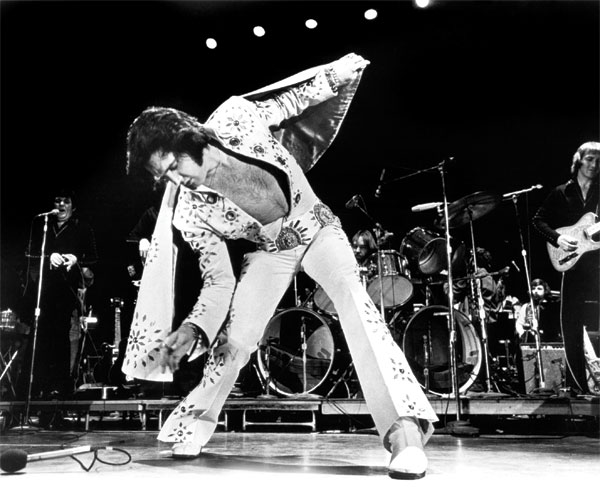
Rare stories from the band who backed Elvis Presley in his final years: Glen D. Hardin, James Burton, Ronnie Tutt and Jerry Scheff.
On Nov. 20, 1959, DJ Alan Freed was fired from WABC radio when the pay-for-play scandal erupted. Here’s the story behind that era of pay-for-play, when the ’50s music scene was the convergence of a number of seismic factors.

In March 1972 John Lennon’s visa was revoked and deportation proceedings were filed after President Nixon decided the most dangerous man in America was a singer-songwriter with bad eyesight and a British accent.

The death of Kurt Cobain on April 5, 1994 left unsolved questions, inconclusive evidence and lingering suspicions, and each year the mysteries are re-examined and new theories hatched.

In February 1967, John Lennon’s four-year-old son Julian came home from nursery school with a painting that he’d done of his classmate, Lucy O’Donnell. When John asked his son about the picture, which showed a girl floating among the stars, Julian replied, “It’s Lucy, in the sky, with diamonds.”

At the time when I wrote “Nights In White Satin” I didn’t own many things in the world,” Moody Blues frontman Justin Hayward said. “But I did own something totally useless which was a set of white satin sheets that this girlfriend of mine had given me.”

It’s a tale of two torch songs. The original, written in French as “Les Feuilles Mortes” (literally, “Dead Leaves”) was a dark lament of lost love and regret. The translated version, “Autumn Leaves,” touched on the same theme, but in a gentler, more wistful way.

Jack Norworth never cared much for baseball, but he wrote a song about the game that sports fans have been belting out for almost 120 years.

In 1974, John Lennon’s “Whatever Gets You Thru the Night” became his first and only chart-topping solo single during his lifetime. It was from his Walls and Bridges album and featured Elton John on harmony vocals and piano.
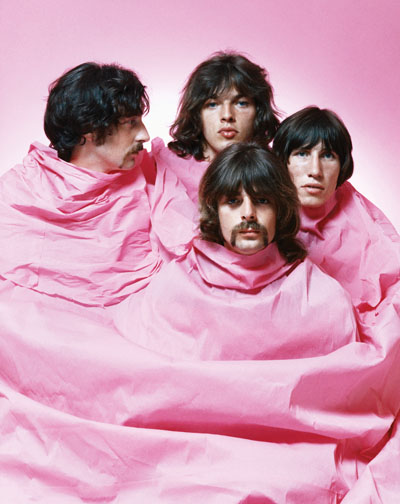
On March 22, 1980, Roger Waters’ “Another Brick in the Wall,” became the Pink Floyd’s one and only U.S. No. 1 hit.

The American Legion and the Boy Scouts denounced it. The New York Times called it “nightmarish and bloodcurdling.” And after it incited a near riot in a local theater, the city of Memphis banned “Rock Around the Clock” by Bill Haley and the Comets..