Glen Hansard formulated a simple stairstep guitar progression and an opening line: “I don’t know you, but I want you” for “Falling Slowly,” the Oscar-winning song for the film “Once.”

“Falling Slowly”
read more

Glen Hansard formulated a simple stairstep guitar progression and an opening line: “I don’t know you, but I want you” for “Falling Slowly,” the Oscar-winning song for the film “Once.”

“Happy Birthday to You” began its life in 1893. Written by two sisters, Mildred and Patty Hill, it was originally entitled “Good Morning to All,” and intended as a classroom greeting from teachers to students.
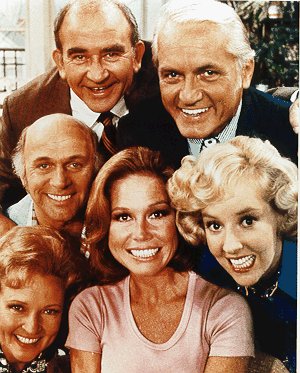
“Love Is All Around” became 56 seconds of TV theme song history for songwriter Sonny Curtis who wrote and performed it for The Mary Tyler Moore Show.

“(Don’t Fear) The Reaper” coupled Blue Oyster Cult’s mysticism with a beautiful melody, lush harmonies and one of the coolest guitar riffs of the ‘70s.
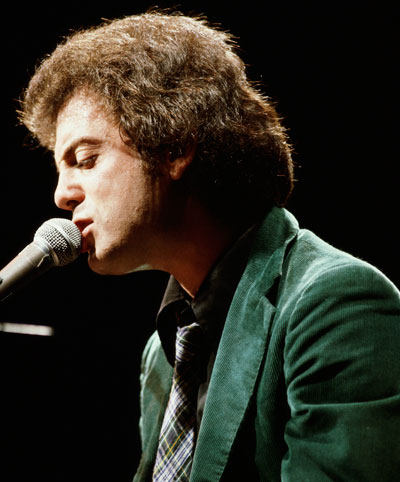
“When I wrote ‘Only the Good Die Young,’ the point of the song wasn’t so much anti-Catholic as pro-lust,” Billy Joel said.

I always knew that song would have its day,” Ray Davies says of 1968’s “Picture Book.” “Sometimes you just know. It was never a hit, but it’s become a hit in another way.”

The Andy Griffith Show‘s theme song, “The Fishin’ Hole,” was written by Earle Hagen and Herbert Spencer with (rarely heard) lyrics by Everett Sloane.

Jimmy Webb tells the story behind the writing of “The Highwayman” which became a hit for the super group of Johnny Cash, Kris Kristofferson, Waylon Jennings and Willie Nelson.

It’s a testament to Freddie Mercury’s adeptness as a songwriter and Queen’s musicianship that the disparate parts of “Bohemian Rhapsody” add up to such a glorious sum.

By late 1969, Burt Bacharach and Hal David were kings of the pop songwriting game, with their biggest hit was just around the corner.

Stevie Nicks tells the story behind her song “Landslide.”
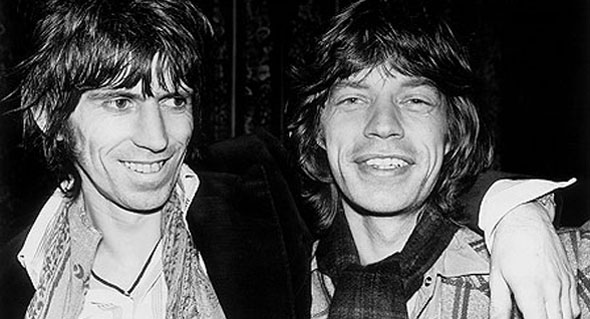
In 1965 The Rolling Stones were in the middle of their second US tour as headliners and needed a defining single that would put them over the top.